What happened in 1971?
The Bangladesh Liberation War began when the Pakistani military launched a crackdown in East Pakistan on March 25, 1971, following months of political crisis. After the Awami League won a decisive victory in Pakistan's 1970 elections, the military regime refused to transfer power to the elected representatives from East Pakistan.
What followed was nine months of conflict that affected nearly every corner of what would become Bangladesh. An estimated 300,000 to 3 million people were killed, approximately 10 million refugees fled to India, and countless families were displaced. Villages were destroyed, families were separated, and communities were fundamentally altered. The war reshaped South Asia and left lasting impacts on those who lived through it, with memories and experiences that continue to be passed down through generations.
TAAN 1971 exists to preserve these stories before they are lost forever.
Timeline of the Liberation War
March 7th, 1971:
Sheikh Mujibur Rahman declares to a crowd at Dhaka Race Course, "The struggle this time is the struggle for our emancipation! The struggle this time is the struggle for independence!"
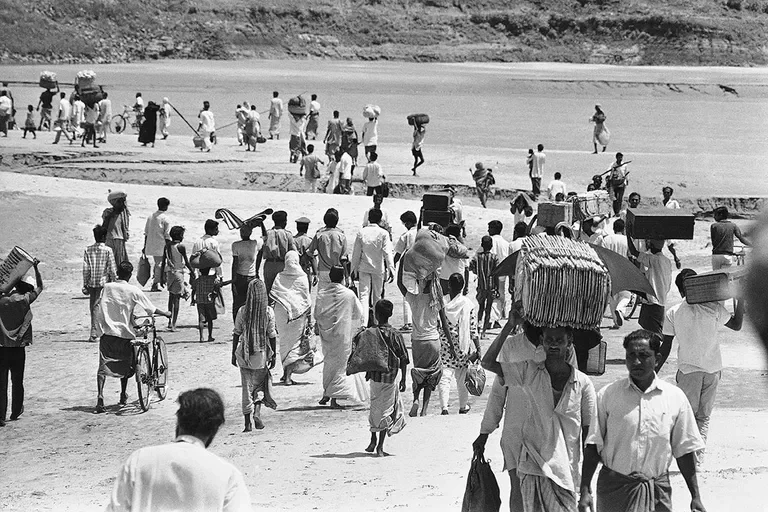
Refugees stream across the River Ganges Delta at Kushtia, fleeing the violence in Bangladesh during the ongoing Pakistani military campaign called Operation Searchlight. (AP Photo/Michel Laurent)
“I was caught with five other people from Debitala. They made us stand in line beside a ditch. As they were about to open fire, I jumped into the ditch and hid under water hyacinths. Somehow, I escaped death as they could not find me. My elder brother was killed there.”
—Niranjan Mandal, 70, then a college student from Basurabad village
March 25th, 1971
Operation Searchlight begins—a brutal military operation targeting Bengali independence supporters and civilians.
Independence Day
March 26th, 1971
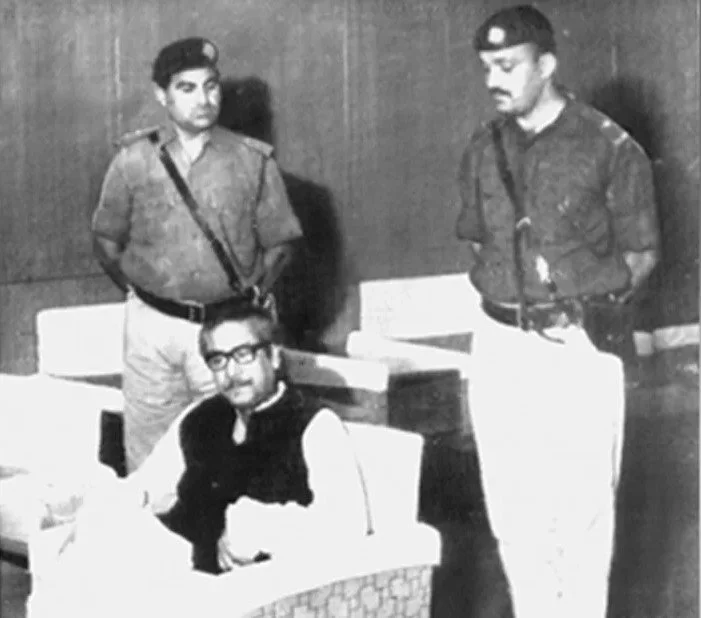
Sheikh Mujibur Rahman declares independence just before his arrest by Pakistani forces.
Arrested Sheikh Mujibur Rahman at Karachi International Airport in April 1971.
April 6th, 1971
U.S. diplomat Archer Blood and 20 American consulate staff in Dacca send "The Blood Telegram" to Washington, dissenting against U.S. policy.
“Our government has failed to denounce atrocities... But we have chosen not to intervene, even morally, on the grounds that the Awami conflict, in which unfortunately the overworked term genocide is applicable, is purely an internal matter of a sovereign state. Private Americans have expressed disgust.
We, as professional civil servants, express our dissent with current policy and fervently hope that our true and lasting interests here can be defined and our policies redirected.”
— Archer Blood, "The Blood Telegram" (U.S. Consulate (Dacca) Cable
Sexual Violence & the Birangona
An estimated 200,000 to 400,000 women were subjected to sexual violence during the war. These survivors were later named “Birangona” (war heroines), though many faced social stigma from their families and communities for decades.
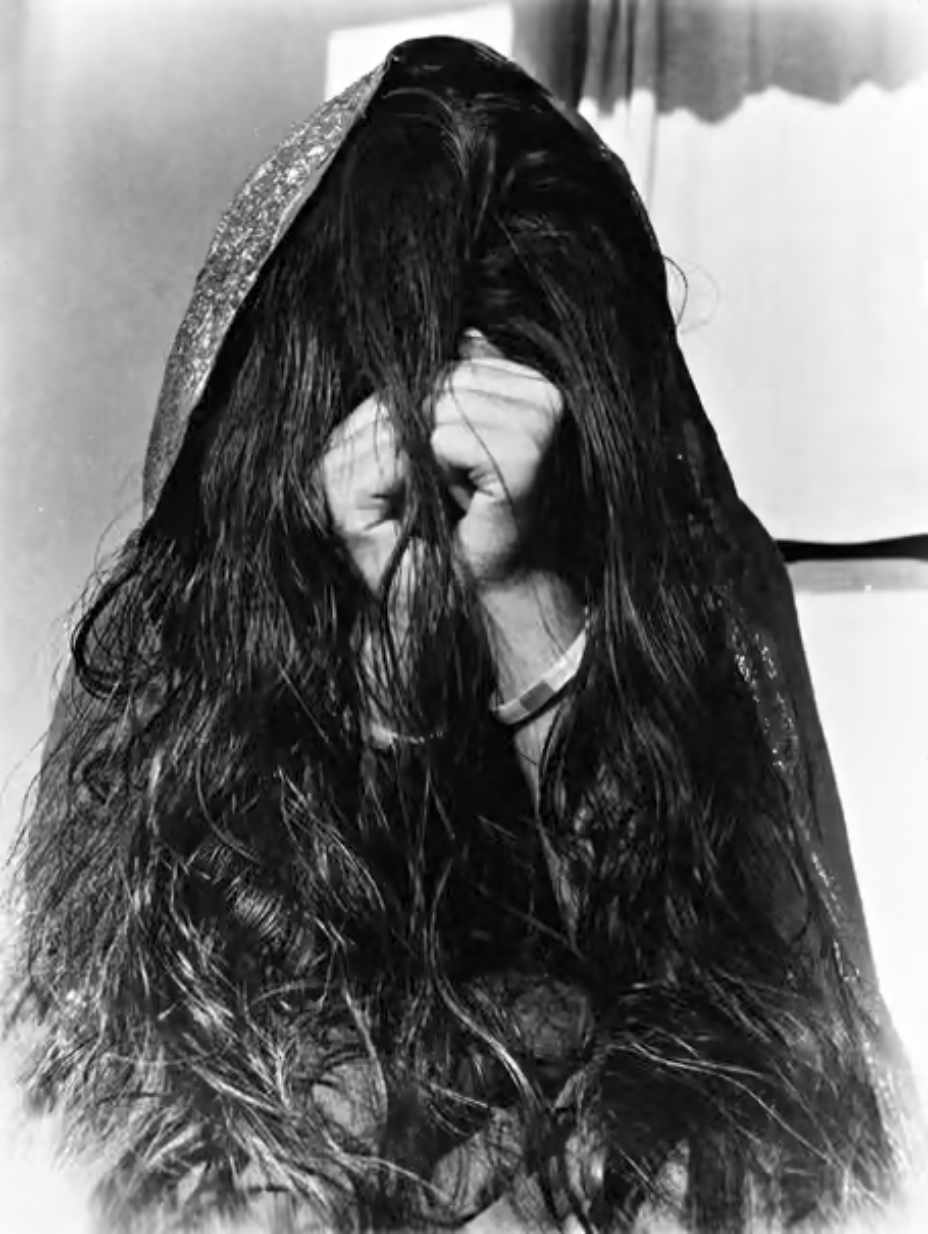
A survivor of wartime sexual violence. Photograph: Nabil Uddin Ahmed/Rex
“On April 14, 1971, local men and Pakistani soldiers ransacked and looted our neighborhood … my family forced me to hide in a bush because they were afraid that I would be raped and they would be killed. I hid with sixteen other girls. The next morning, I found that my father was killed. His body was lying outside, muddy and uncovered, but my brothers and mother pretended they were not his family.”
— “Laila” describing her experiences to Jacobin Magazine.
April 19th, 1971
A provisional government-in-exile takes oath in Mujibnagar, establishing formal leadership to coordinate the liberation war & operate military sectors.
December 3rd, 1971
Pakistan launches pre-emptive airstrikes on India; India officially enters the war in support of Bangladesh.
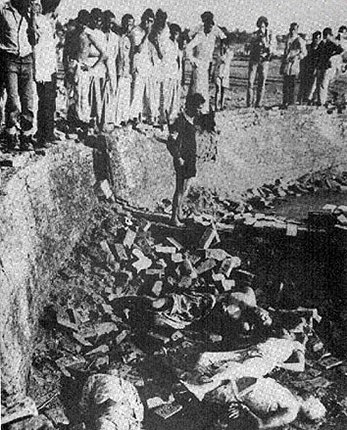
Mass grave of martyred intellectuals.
My two children disappeared in an instant when we were trying to reach a shelter. I never found them. I still have their toys and clothes, but not my daughter and son. It is an unquenched fire in my heart.
—Nayatullah Ara, an elderly woman, recalling her loss
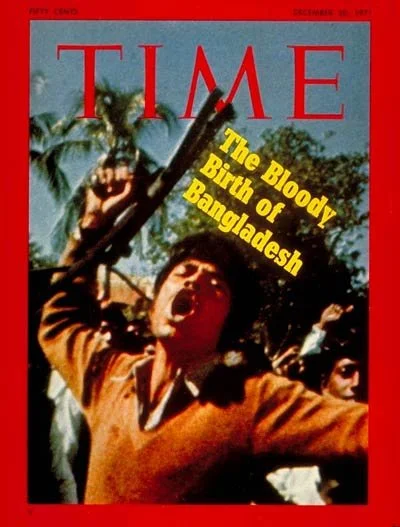
December 16th, 1971
Over 93,000 Pakistani troops surrender to the Mukti Bahini and Indian forces, marking the birth of Bangladesh.
Victory Day
The Legacy of 1971
The Bangladesh Liberation War ended on December 16, 1971, when Pakistani forces surrendered in Dhaka, marking the birth of an independent Bangladesh. But the war's end was not the end of its story. The legacy of those nine months lives on—in the trauma carried across generations, in the grief and pride that coexist within families, in the resilience of communities that rebuilt from ruins.
These experiences shaped not only a nation but the identities and memories of millions. As survivors age, their testimonies become more precious and more urgent to preserve. Behind every date and turning point were real people—families who fled, resisted, and endured. Their stories are the heart of our collective memory. TAAN1971 works to protect these lived histories so they are never forgotten.